Start with the session, not a universal ideal
There is no single description of perfect ice that settles every training decision. A skater working on edges, a group running programmes and an athlete rebuilding confidence after time away may notice different aspects of the same surface. Ask what the session is intended to achieve before deciding whether the conditions are suitable. A useful assessment connects observations to planned tasks rather than turning personal preference into a general rule.
Talk to both the coach and the rink operations team. Coaches see how the surface behaves under movement; operators understand the refrigeration system, resurfacing schedule and building conditions. Neither viewpoint should be treated as a substitute for the other. A productive facility makes it possible for these groups to exchange information without requiring the skater to carry every message between them.
Understand preparation and accumulated wear
Resurfacing is part of a working sequence, not a guarantee that every part of the ice will behave identically. Previous use, cut depth, water application and the interval before skaters return can influence the surface presented to the next group. Ask how the timetable accommodates preparation and what staff do when a session overruns. Observe whether entry is controlled while machinery is operating and whether permission to return is unmistakable.
During practice, look for repeated landing areas, developing ruts and heavily used routes through the centre. A coach may need to adapt an exercise or relocate a starting point. Skaters should report significant defects through the agreed process rather than trying to repair them independently. The important management question is how quickly a concern is assessed, communicated and addressed—not whether ordinary wear can be eliminated altogether.
Read the building around the ice
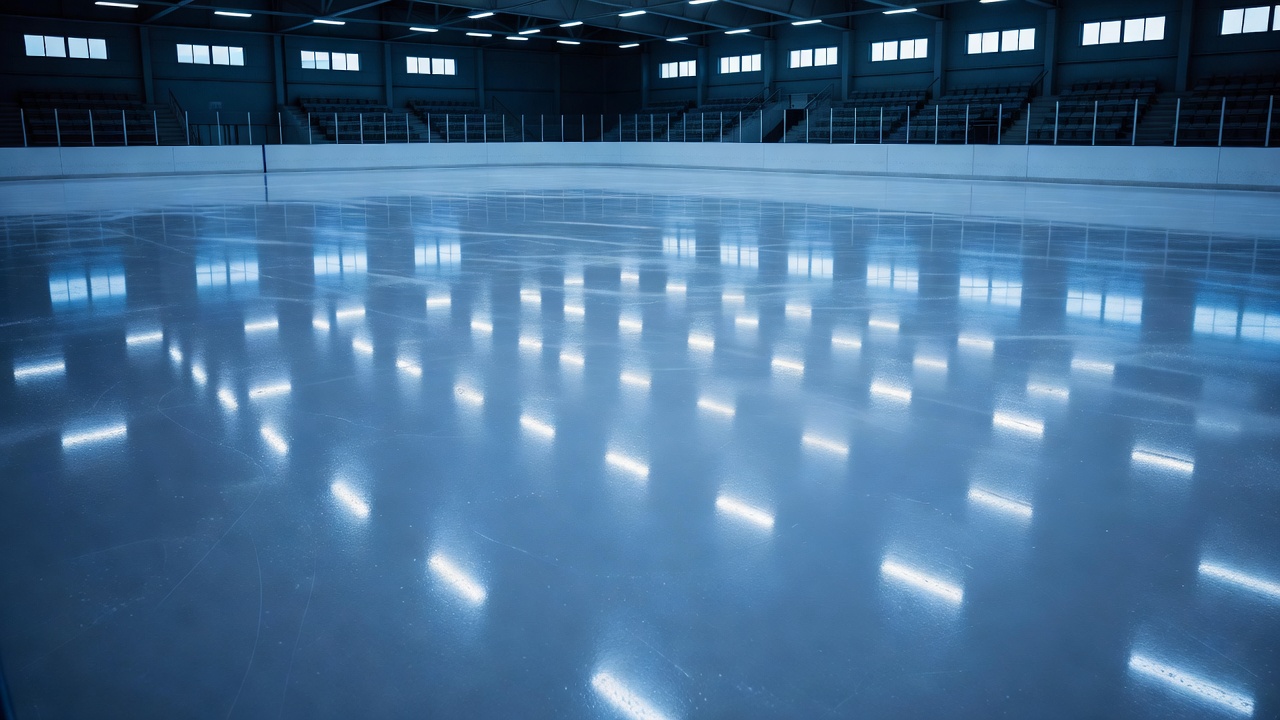
Air movement, humidity, condensation, lighting and visibility all belong in an environmental review. A spectator may admire bright windows while a skater encounters glare at a particular end of the rink. Conditions can change across the day, so a visit during a quiet afternoon may not represent an early training block or a busy evening. Ask to observe a session close to the hours the athlete would actually use.
Air quality also deserves a direct question, particularly where combustion-powered equipment operates indoors. Ask the operator about ventilation, maintenance and monitoring procedures. Do not infer safety from a lack of noticeable smell. The Health and Safety Executive provides general workplace safety guidance; site-specific concerns belong with the responsible facility team and, where necessary, the relevant authority.
Usable ice is a shared-space question
An available session is not necessarily an available training opportunity. The number and experience of participants, programme music rules and expected patterns of movement determine how much purposeful work can happen. Watch whether athletes can identify whose programme is running and whether the local right-of-way protocol is explained to newcomers. A written rule is useful only when participants understand how it applies in real traffic.
Do not rely on a headline capacity figure alone. Two sessions with the same number of skaters may feel very different because their tasks and movement patterns differ. Ask the coach how they organise jump attempts, spins, harness use and programme run-throughs within the actual session. If a task cannot be performed safely, adapting the plan is a sign of sound judgement rather than lost ambition.
Compare facilities without ranking their reputation
Well-known training locations such as the iceSheffield complex, the National Ice Centre in Nottingham and the Oberstdorf sports facilities illustrate the variety of settings in which ice sports operate. Their names are starting points for research, not endorsements or evidence that a particular session will suit an individual. Verify current access, coaching arrangements and operating details directly.
Record the same observations at each visit: session purpose, preparation routine, traffic, reporting process and contingency arrangements. Separate what you saw from what someone promised and from what remains unknown. This creates a fairer comparison than an impression of prestige. The best environment for a skater is one whose daily operation supports an appropriate plan consistently, including on the days when equipment fails, schedules slip or the athlete needs the session to change.